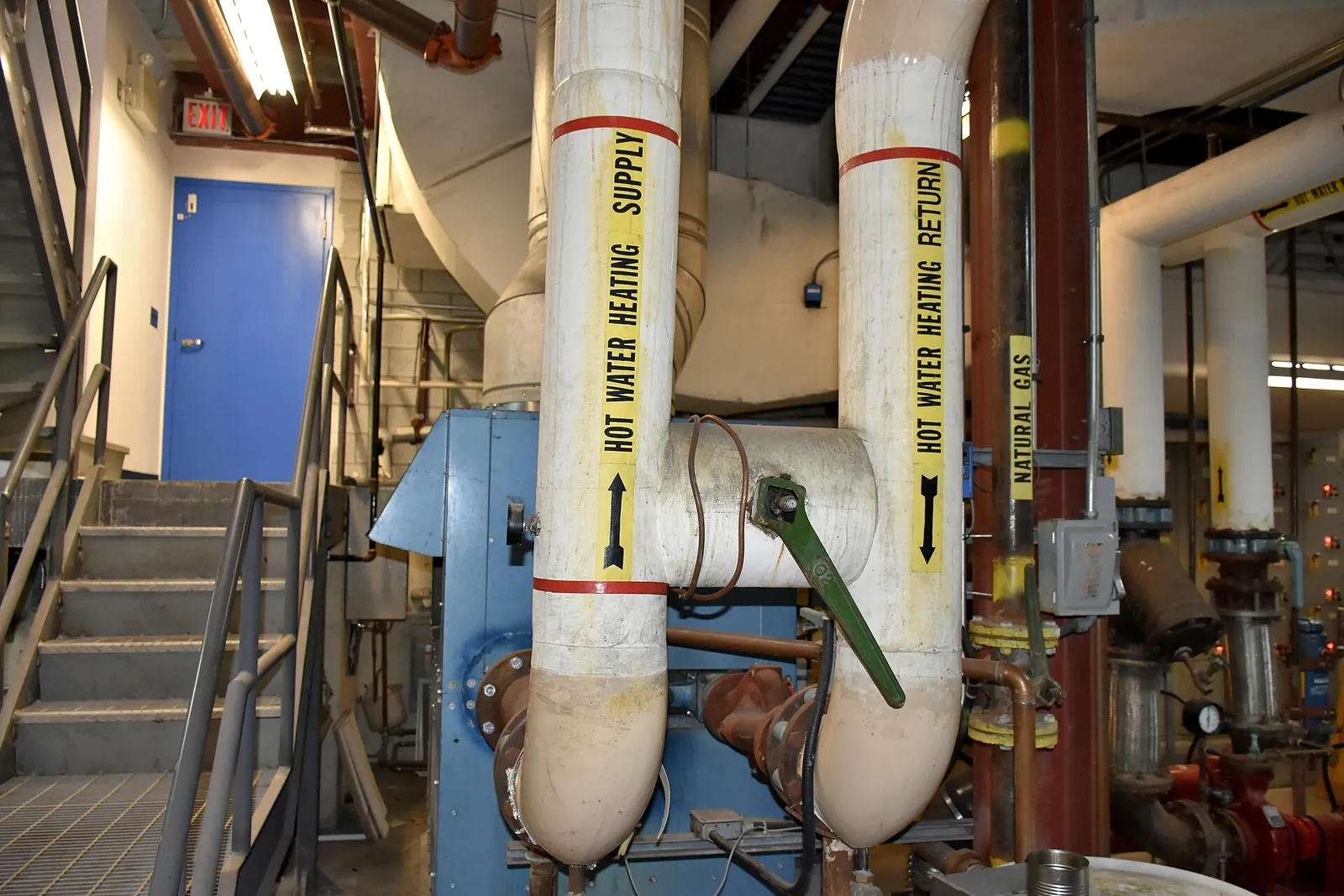
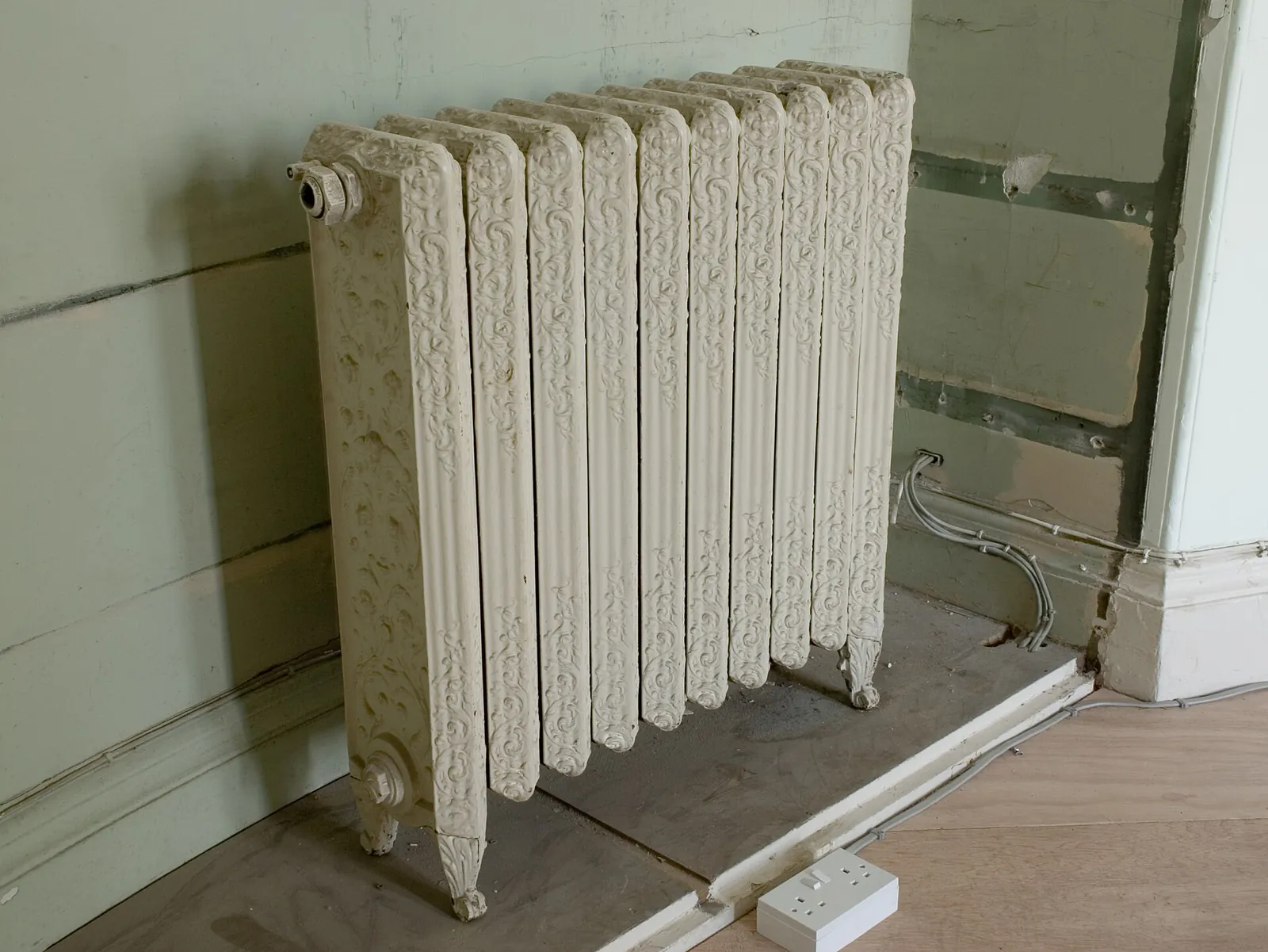
Ephraim Heating & Air repairs gas and oil boilers across the Bronx, on both kinds of boiler heat: one-pipe and two-pipe steam with cast iron radiators, and hot water heating with circulator pumps, zone valves and baseboard or panel radiators.
A steam boiler is a simple machine with a few parts that keep it safe and keep it fed. When one of them fails, the boiler stops or the building heats unevenly. The parts we repair and replace on steam boilers:
Low water cutoffs, probe and float type, and the automatic water feeders paired with them
Pressuretrols, pigtails and pressure gauges
Sight glasses, gauge glass valves and try cocks
Main vents, radiator vents and one-pipe radiator valves
Gas valves, pilot assemblies, thermocouples, igniters and flame sensors
Burner primary controls, relays and wiring to the thermostat
Hot Water Boiler and Baseboard Repair
A hot water boiler keeps the whole loop full of water under light pressure and pumps it around the building. Most no-heat problems on these systems are in the parts around the boiler, not the boiler itself:
Circulator pumps that stop turning, seize or leak at the flanges
Zone valves whose motors burn out or whose end switches stop calling the boiler
Expansion tanks that lose their air charge and push the pressure up
Fill valves that overfeed and relief valves that drip or discharge
Aquastats, high limits, zone controls and control boards
Air separators, air vents and bleeders on baseboard and radiators
Tankless coils and indirect water heater zones run by the boiler
Radiator Repair in Bronx Houses and Walk-Ups
Uneven heat in a boiler building usually starts at the radiators or the pipes, not at the boiler. A steam radiator that stays cold has a vent that is clogged or painted over, or a valve that is half closed. A radiator that spits water or bangs is tilted the wrong way, so water sits in it instead of draining back to the pipe. A whole floor that stays cold usually has a main vent that stopped venting.
In five and six story walk-ups like those in West Farms and East Tremont, long steam mains and risers make the top floors the last to heat. Main vents sized for the length of the mains and radiator vents matched to each radiator are what even that out. On hot water systems, radiators and baseboard need their air bled out and the flow balanced between zones.
Boiler Repair or Replacement in the Bronx
Cast iron sections last a long time. If the sections hold water and the burner fires clean, the boiler gets repaired. It gets replaced when a section cracks and weeps, when a steel boiler rusts through at the waterline, or when burner and control parts for that model are gone. Noise points to a repair: kettling comes from scale, banging from water lying in sagging pipes, gurgling from air.
If the boiler is hot and the radiators stay cold, the heat is not moving. On a hot water system that is usually a circulator pump that stopped turning, a zone valve that never opened or air trapped in the piping. On a steam system it is usually closed or clogged radiator vents, a stuck main vent or water lying in a pipe that lost its pitch.
Why does my boiler pressure keep rising?
On a hot water boiler, pressure that climbs toward 30 psi when the boiler heats up points to an expansion tank that has lost its air charge and filled with water. Pressure that climbs even when the boiler is cold points to a fill valve that keeps feeding water, or a leaking coil inside the boiler.
What causes a boiler to short cycle?
A boiler that fires for a minute and shuts off is usually reacting to a control: an aquastat or pressuretrol set too tight, a high limit tripping because water is not moving, or a flame sensor that loses the flame. A boiler much larger than the building needs will also cycle on and off.
Why do steam radiators bang?
Banging is steam hitting water that is lying in a pipe or radiator. The water is there because a pipe lost its pitch, a radiator tilts away from its valve, a one-pipe radiator valve is half open, or the boiler water is dirty and throws water up into the mains. Fixing the pitch and the water level stops it.
Do steam radiators need to be bled?
No, not by hand. A steam radiator lets its air out through its vent as the steam arrives. If a steam radiator stays cold, the vent is usually clogged or painted shut and needs replacing. Hot water radiators are the ones that need bleeding at the small valve near the top.
Why are my radiators gurgling?
On a hot water system, gurgling is air in the water. The air comes out at the radiator bleeders, an air separator or a vent on the boiler. If it keeps coming back, the system is drawing in air through a leak or a low fill pressure. On steam, gurgling is water trapped in the radiator or pipe.
What causes a boiler to kettle?
Kettling is a rumbling or whistling from scale and sludge on the hot surfaces inside the boiler. Water trapped under the scale flashes to steam. It shows up on boilers with hard or dirty water and on systems with weak flow. Flushing and treating the water usually quiets it.
Is it worth getting a new boiler?
Only when the boiler itself has failed. A cracked cast iron section, a steel boiler rusted through or a heat exchanger that keeps leaking means replacement. A bad pump, valve, control, burner part or vent is a repair, and those parts wear out long before the boiler does.
Boiler or Radiators Not Heating?
Steam and hot water boiler repair, radiator repair and baseboard repair in the Bronx.